



Serenity Shield (Serenity) is a biometric trust infrastructure company offering decentralized security solutions for digital assets, identity, and data survivability. Their ecosystem includes:
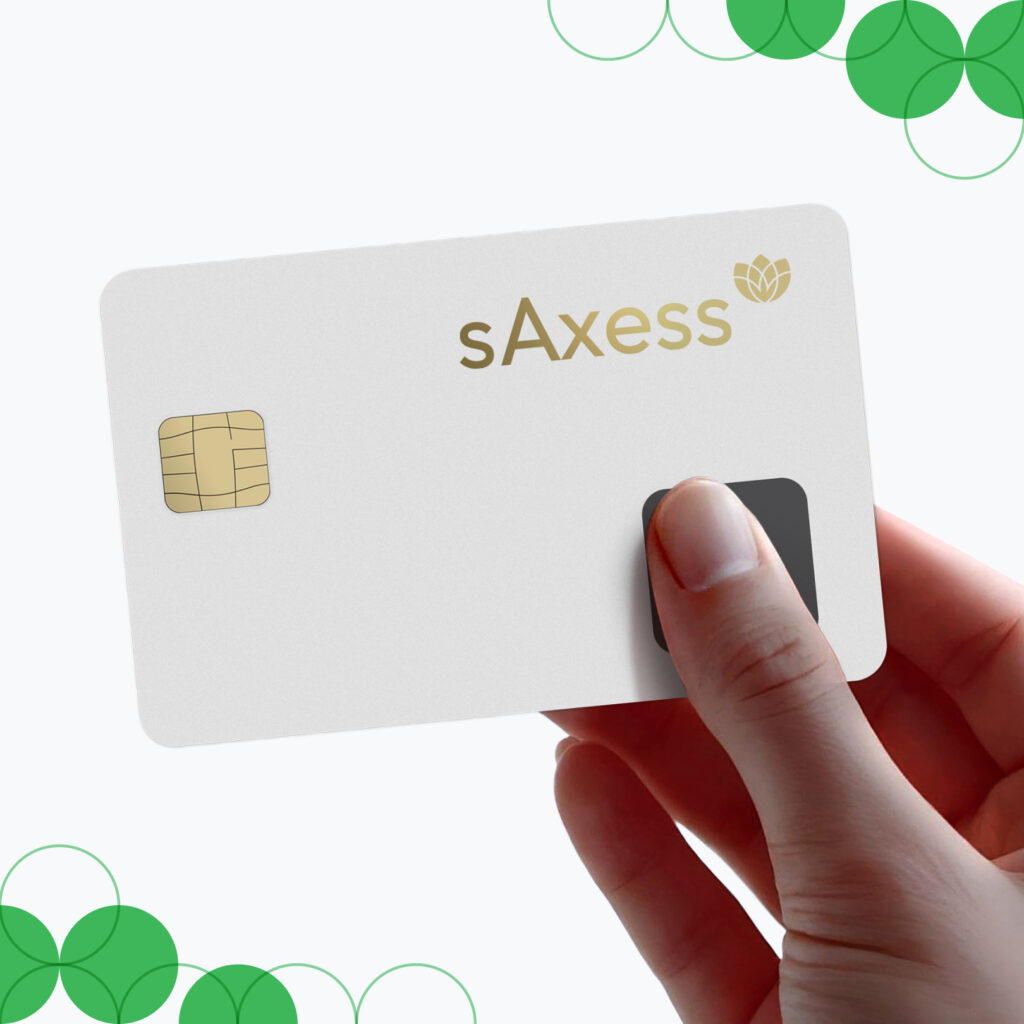
sAxess — Biometric Cold Wallet Card
The world's first biometric-powered cold wallet in a card form factor. Uses fingerprint authentication to access and manage crypto assets without passwords, PINs, or recovery phrases.
- Biometric-only access — your fingerprint is the key, eliminating seed phrase exposure risks
- Self-custody — store, send, and receive crypto fully offline with military-grade security
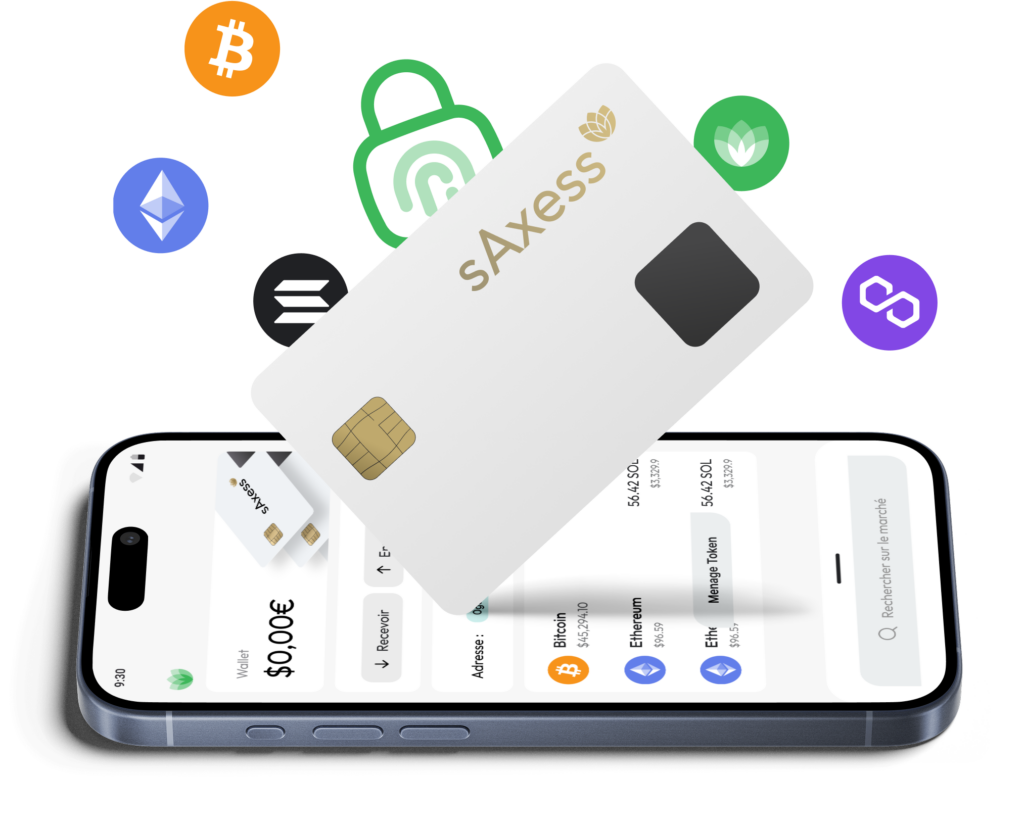
- Multi-chain support — Bitcoin, Ethereum, Solana, XRP, stablecoins, and thousands of tokens across 100+ blockchains
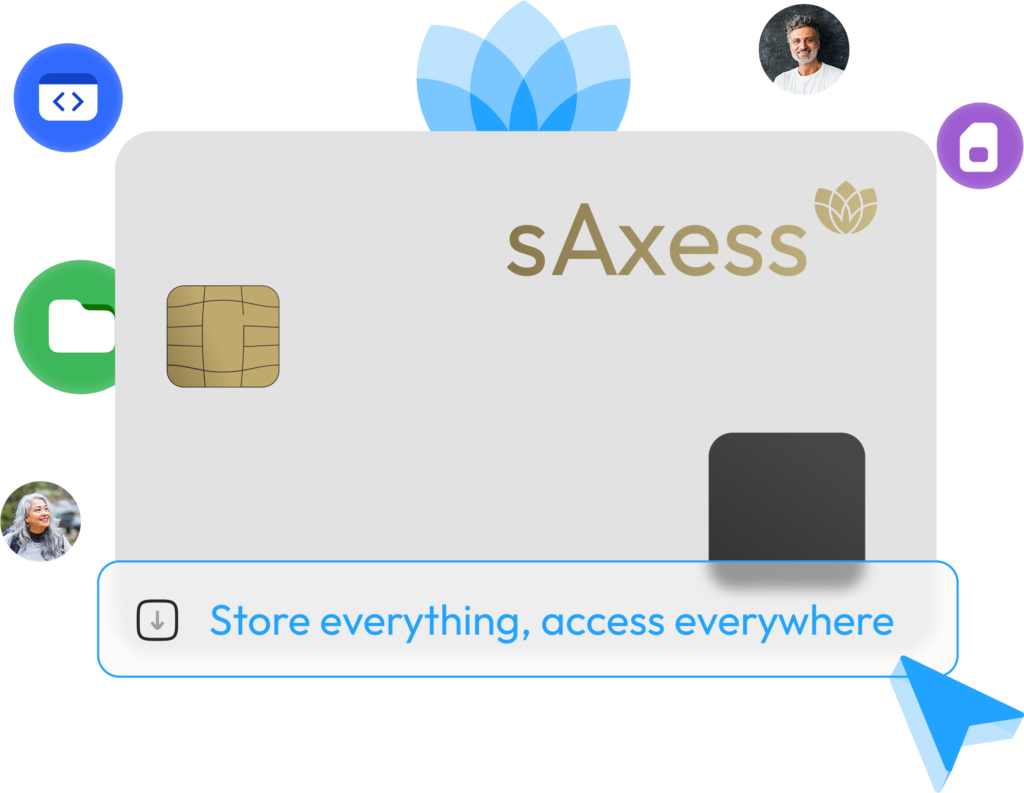
- sBox integration — securely store, view, and recover seed phrases and critical data
- Inheritance protocol — NFT-based digital inheritance for seamless asset transfer to designated heirs
- 3-minute setup — scan the card, enroll biometrics, and start securing assets
sBox — Decentralized Seed Phrase Storage
A secure storage layer for wallet seed phrases, passwords, and critical records. Built with end-to-end encryption and blockchain technology, sBox enables users to store and recover seed phrases without relying on centralized services or social recovery groups.
Key Benefits
- Decentralized storage with blockchain-powered encryption
- NFT-backed encryption ensuring ownership and confidentiality
- On-chain data survivability with programmable inheritance
- Zero reliance on centralized servers
Serenity is MiCA-compliant and built for both individual and enterprise use, combining biometrics with distributed-ledger trust for secure identity and asset management across Web2 and Web3 environments.
Pros
- sBox decentralized seed phrase storage uses NFT-backed encryption on blockchain instead of centralized servers or social recovery groups, ensuring censorship-resistant recovery.
- Supports Bitcoin, Ethereum, Solana, XRP, and thousands of tokens across 100+ blockchains, making it a versatile multi-chain cold wallet solution.
- Fingerprint-based biometric access replaces passwords, PINs, and seed phrases for daily use — the world's first cold wallet in a card form factor with biometric-only authentication.
- On-chain programmable inheritance protocol enables secure digital asset transfer to designated heirs via NFT-powered recursive succession, solving the crypto inheritance problem.
- Backed by IDEMIA Secure Transactions hardware wallet technology (B.CHAIN) — IDEMIA is a global leader in biometric smart card solutions for secure payments and access control.
- MiCA-compliant with a registered white paper in the ESMA register, positioning it as a regulation-ready solution for European institutional adoption.
Cons
- Lacks the established security track record of proven hardware wallets like Ledger or Trezor — as a new entrant, its resilience to physical attacks is unproven at scale.
- Some dApp features (e.g., StrongBox interaction) require holding the SERSH token, adding an extra cost barrier and token dependency for accessing core functionality.
- Requires a companion mobile app to operate — the card is not a standalone device and depends on the sAxess iOS app for biometric enrollment and transaction management.
- Ecosystem sprawl across sAxess, sBox, sVault, sWallet, and sGold products creates a steep learning curve for users who want a simple plug-and-play cold wallet.
- Very early market stage — launched in late 2024 with minimal verified user reviews and limited real-world adoption, making it hard to assess long-term reliability.